оставить сообщение
Если вас заинтересовала наша продукция и вы хотите узнать более подробную информацию, пожалуйста, оставьте сообщение здесь, мы ответим вам как можно скорее.

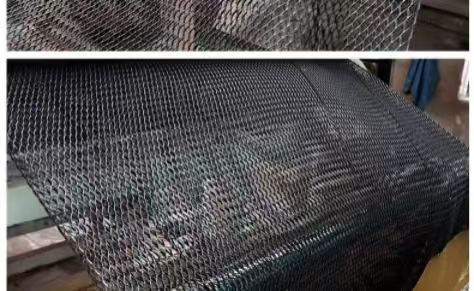
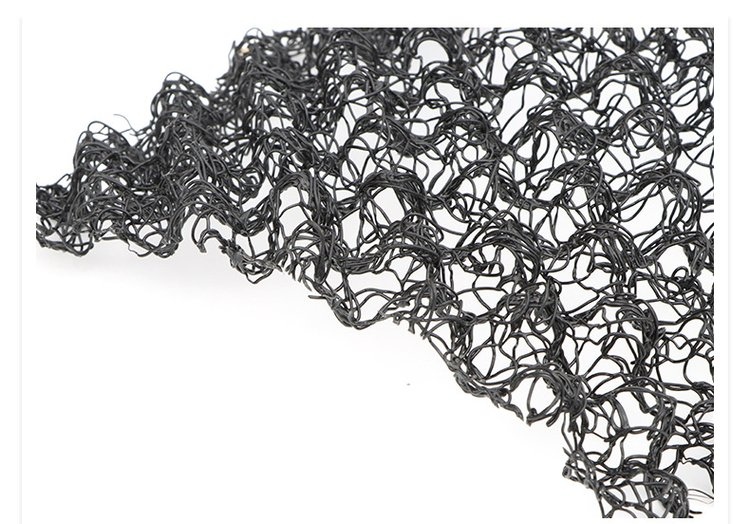
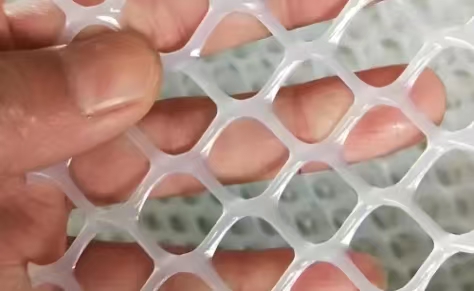
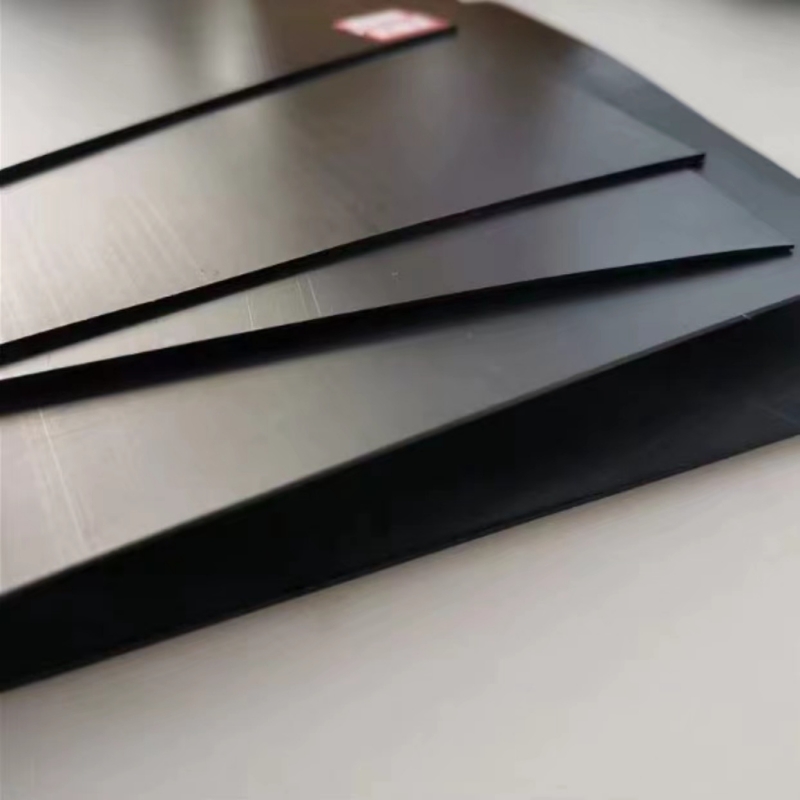
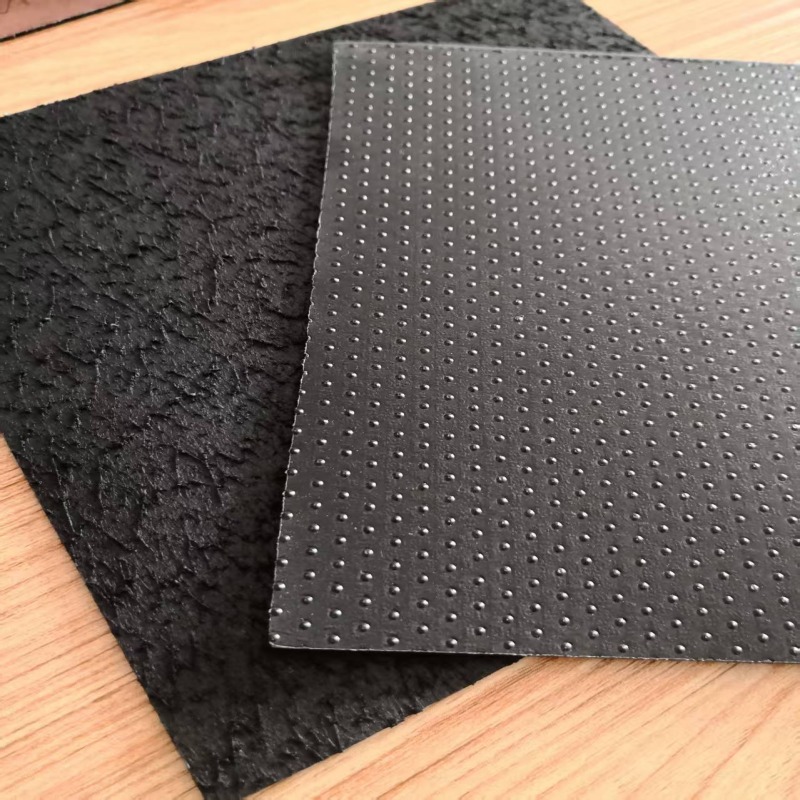
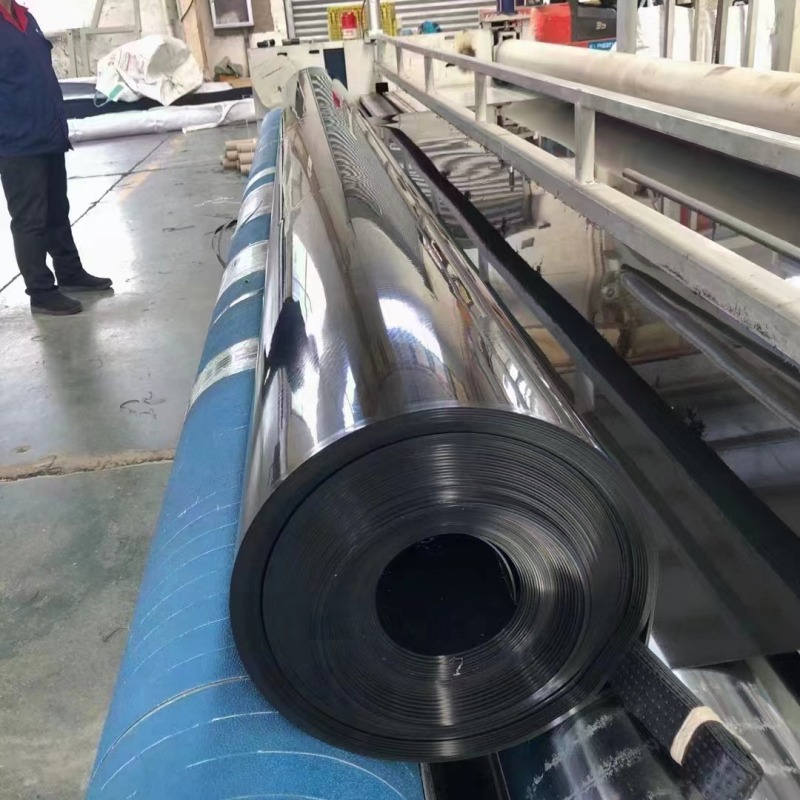
Geonet is a synthetic geosynthetic drainage material made primarily from high-quality resins. It is manufactured by extrusion into a three-dimensional network structure that creates continuous drainage channels. High-strength resin provides good resistance to chemicals, biological degradation, and long-term environmental exposure. Unlike a geomembrane, the main function of geonet is to collect and convey water within a drainage system, helping move groundwater and seepage toward a designated drainage outlet.
For retaining wall drainage, Tri-planar geonet is generally worth considering for taller walls, higher backfill loads, and underground structures. Bi-planar geonet is often suitable for conventional retaining walls, foundation walls, and projects with lower drainage loads.
1. Collects Seepage Water
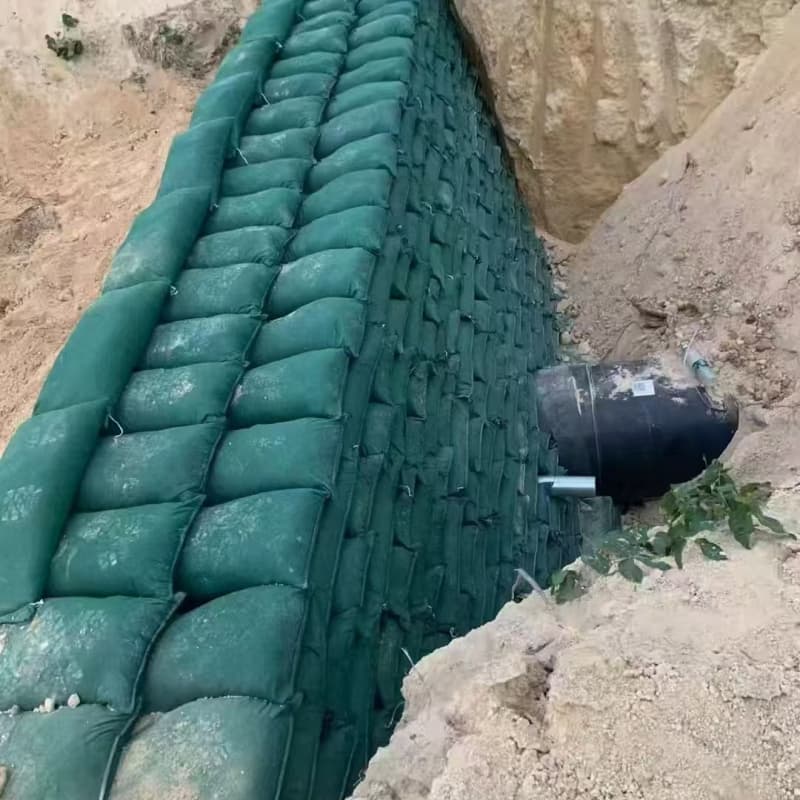
Geonet installed behind a retaining wall provides a continuous path for water moving through the backfill. Instead of allowing water to accumulate against the wall, the drainage layer guides it toward the bottom of the structure.
2. Reduces Water Pressure
The main purpose of the drainage system is to prevent water from remaining trapped behind the wall. By providing a path for water to leave the backfill, the system reduces pore water pressure and the resulting hydrostatic pressure acting on the wall. However, geonet is a drainage material, not a structural reinforcement product. It does not replace structural retaining wall design.
3. Filters Soil Particles
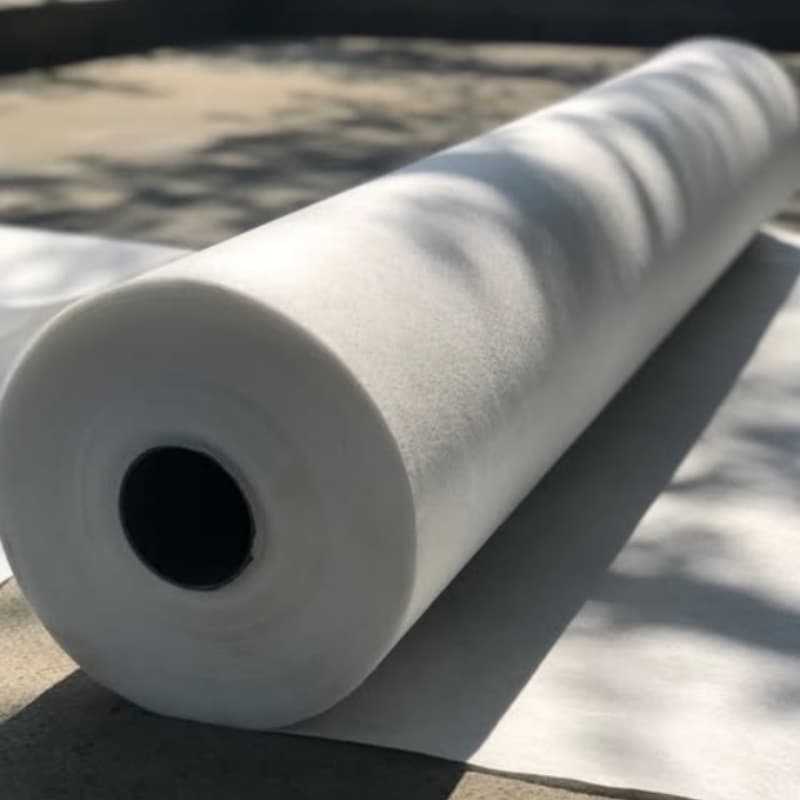
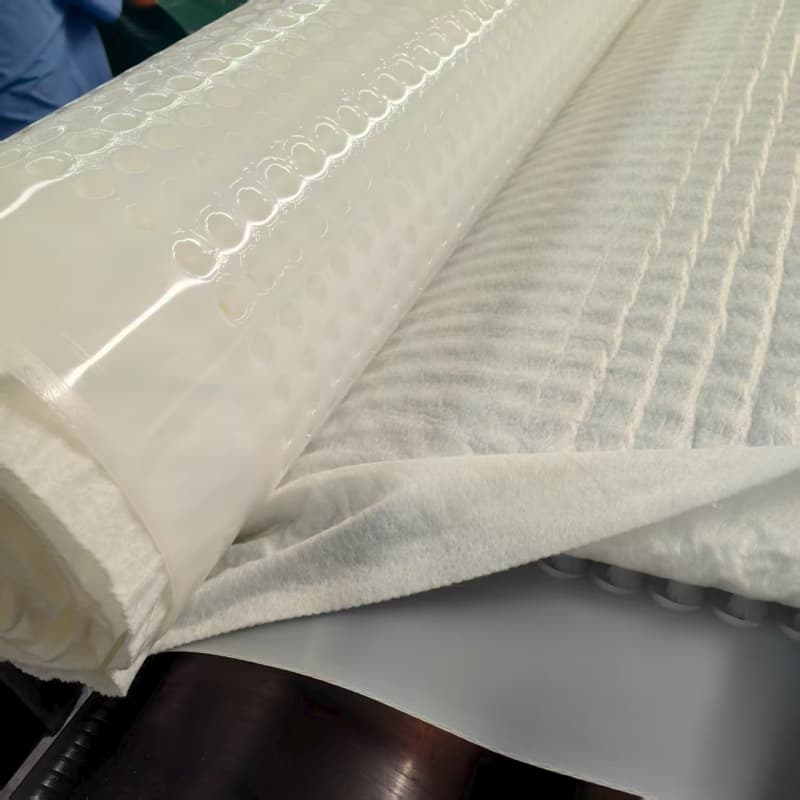
When a geocomposite drainage product is used, the nonwoven geotextile acts as a filter layer. It allows water to pass into the drainage core while preventing fine soil particles from entering and clogging the geonet.
4. Provides Drainage Where Space Is Limited
Traditional retaining wall drainage may require a relatively thick layer of gravel or other drainage aggregate. A geocomposite drainage layer provides a continuous drainage path with a much smaller thickness, which can be useful for underground structures and projects where available space is limited.
| Item | Parameter |
| Thickness | 5mm-8mm |
| Width | 1m – 4m |
| Length | 30m per roll |
| Tensile Strength | ≥1.0-5.0 |
| Typical Applications | Retaining walls, underground drainage, roads and so on |
The project was located in Palestine, Texas, USA, and involved a commercial development with roads, parking areas, water and sewer utilities, and retaining walls. Because of seasonal groundwater conditions at the site, the design team needed a reliable drainage system for the underground structures and retaining walls. After considering a conventional aggregate drainage layer, the project ultimately selected Tri-planar geocomposite drainage material.
Approximately 4,200 m² of Tri-planar geocomposite drainage material, with a thickness of about 7.6 mm, was used in the project. The material consisted of a Tri-planar geonet drainage core and nonwoven geotextiles. The geotextile provided filtration, while the geonet collected and conveyed water within the plane. Installed between the structure and backfill soil and connected to the bottom drainage system, it created a continuous drainage pathway.
Frist of all, the thickness of a conventional aggregate drainage layer would typically require about 460 mm, while the geocomposite drainage material was approximately 7.6 mm thick. This significantly reduced the space required for the drainage layer and reduced the amount of aggregate transportation and installation work. For retaining walls and underground structures, this type of thin drainage system is particularly suitable where construction space is limited and reduces drainage risks associated with long-term water accumulation.
Q1. What guarantees do you get when you choose us?
Certification guarantee: CE/ISO 45001
15-Day Lead Time: Direct supply from Shandong manufacturing base (FOB Qingdao)
Final inspection is always conducted before shipment.
Q2: Can geonet be installed directly behind a retaining wall?
Yes, provided that the installation system is designed for the specific wall structure. The drainage layer must remain continuous, properly secured, and connected to the bottom drainage system.
Q3: Can geonet replace a perforated drainage pipe?
Not completely. The geonet provides a path for water to move through the drainage plane, while the perforated pipe collects and carries the water away from the wall. They normally work as part of the same drainage system.
оставить сообщение
Scan to Wechat/Whatsapp :



 English
 Français
 Deutsch
 Русский
 Español
 Português
 عربي
عربي Tiếng Việt
 Indonesia
 हिन्दी


 IPv6 ПОДДЕРЖИВАЕМАЯ СЕТЬ