
оставить сообщение
Если вас заинтересовала наша продукция и вы хотите узнать более подробную информацию, пожалуйста, оставьте сообщение здесь, мы ответим вам как можно скорее.
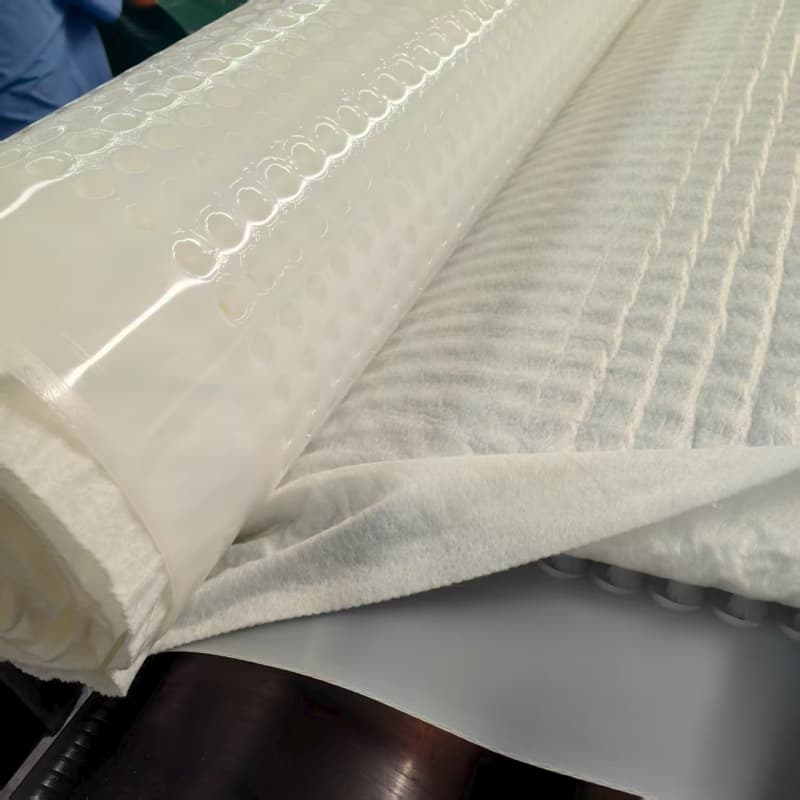
При покупке Геосинтетическая глиняная облицовка Для сравнения, при использовании геосинтетического глинозема (ГГЛ) в отстойнике медного рудника обычно применяются бентонитовые материалы массой 3,7, 4,0 и 4,5 кг/м². Однако масса бентонита на единицу площади — не единственный фактор, определяющий эффективность ГГЛ.
В качестве первоначального сравнения при покупке:
Однако важно отметить, что 3,7, 4,0 и 4,5 кг/м² — это не три марки геосинтетического глинозема (ГКЛ), определенные ASTM. При покупке ГКЛ покупатель также должен проверить индекс набухания бентонита, потери жидкости, гидравлическую проводимость и механические свойства ГКЛ.
| Сравнение | 3,7 кг/м² | 4,0 кг/м² | 4,5 кг/м² |
| Проектная маржа | Относительно ниже | Середина | Относительно выше |
| Увеличение по сравнению с 3,7 кг/м² | Исходный уровень | +8,1% | +21,6% |
| Нагрузка бентонита на единицу площади | База | Выше | Выше |
| Типичная позиция в сфере закупок | Базовый вариант ссылки | Промежуточный вариант | Вариант с большей нагрузкой |
| Транспортный вес | Ниже | Середина | Выше |
1. Индекс отека: ≥24 мл/2 г
Индекс набухания измеряет способность бентонитового компонента к набуханию после гидратации. В некоторых технических характеристиках геосинтетических глиняных растворов (ГГЛ) используется показатель набухания ≥24 мл/2 г, ASTM D5890. При поглощении воды бентонит образует гидратированный слой с низкой проницаемостью. Однако соответствие показателю 24 мл/2 г само по себе не доказывает пригодность ГГЛ для использования в реальных технологических водах медных рудников.
2. Потеря жидкости: ≤18 мл
Потеря жидкости — ещё один важный параметр при сравнении геосинтетических глиняных блоков (ГГБ). В некоторых спецификациях продукции используется показатель потери жидкости ≤18 мл, ASTM D5891. При покупке ГГБ лучше запросить фактические данные испытаний, чем просто принимать утверждение типа «соответствует ASTM».
3. Гидравлическая проводимость: ≤5 × 10⁻⁹ см/с
Гидравлическая проводимость является одним из ключевых параметров, используемых для оценки гидравлических характеристик геосинтетического глинозема (ГЛГ). В некоторых технических характеристиках ГЛГ используется значение гидравлической проводимости ≤5 × 10⁻⁹ см/с, что эквивалентно: ≤5 × 10⁻¹¹ м/с.
Важно уточнить, что 5 × 10⁻⁹ см/с не является универсальным требованием ASTM для всех изделий из геосинтетических глиняных блоков (GCL). Стандарт ASTM D5887 описывает метод определения гидравлической проводимости GCL. Фактические требования к характеристикам зависят от спецификации продукта и проектной документации.
4. Масса бентонита на единицу площади: ≥3,7 кг/м²
Масса бентонита на единицу площади — один из самых простых параметров для сравнения покупателями. В некоторых технических характеристиках геосинтетических глиняных пленок (GCL) указана минимальная масса бентонита: ≥3,7 кг/м². Поэтому при покупке геосинтетической глиняной пленки для отстойников медных рудников в качестве отправной точки можно использовать значение 3,7 кг/м², а затем провести техническое сравнение с продукцией, содержащей 4,0 кг/м² и 4,5 кг/м².
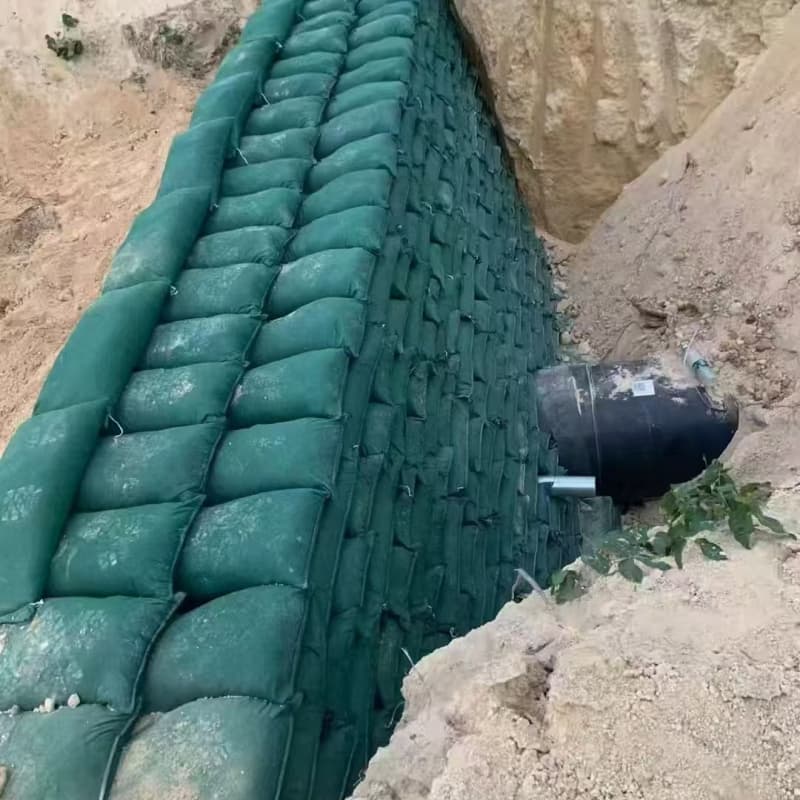
На проекте Carlota Copper Mine в Аризоне, США, для кучного выщелачивания меди использовалась геосинтетическая глиняная облицовка (GCL) в сочетании с геомембраной. Проект столкнулся с рядом проблем, включая высокую нагрузку руды, уклон примерно 2H:1V в некоторых местах, ограниченную доступность и транспортировку подходящей глины, а также сжатые сроки реализации проекта. Традиционная уплотненная глиняная облицовка потребовала бы транспортировки больших объемов глины на площадку, что увеличило бы логистические и погрузочно-разгрузочные работы.
Использование геосинтетического глинозема (GCL) позволило получить изготовленный на заводе материал для облицовки, который можно было транспортировать непосредственно на строительную площадку, что уменьшило объем глинистой смеси. GCL также обеспечил низкую проницаемость, амортизацию и сопротивление сдвигу, работая в сочетании с геомембраной в качестве композитного барьера для контроля фильтрации. Информация по проекту показывает, что одна партия GCL может заменить примерно 150 партий глины, значительно сократив потребности в транспортировке материала. Данный пример демонстрирует, что при выборе GCL для проектов медных рудников следует учитывать гидравлические характеристики, механические свойства, доступность материала, транспортные расходы и фактические условия на площадке, а не просто массу бентонита на квадратный метр.
Выбор геосинтетического глиноземного покрытия (GCL) для отстойника медного рудника не должен основываться исключительно на содержании бентонита. Ключевым моментом является соответствие технических характеристик GCL фактическим требованиям проекта. В качестве практического сравнения можно использовать 3,7 кг/м² в качестве базового значения, 4,0 кг/м² в качестве промежуточного варианта и 4,5 кг/м² в качестве варианта с более высоким содержанием бентонита.
При выборе геосинтетического гелевого материала (GCL) для облицовки отстойника медного рудника покупателям следует также сравнить индекс набухания, потери жидкости, гидравлическую проводимость, прочность на растяжение, прочность на отслаивание и химическую совместимость с технологической водой. Лучший геосинтетический гелевый материал не обязательно тот, который содержит наибольшее количество бентонита. Подходящий продукт должен обеспечивать требуемые характеристики контроля фильтрации, сохраняя при этом разумный баланс между техническими характеристиками, расходом материалов, транспортировкой и общей стоимостью проекта.
1. Всегда ли в отстойнике медного рудника необходим геосинтетический глинозем плотностью 4,5 кг/м²?
Требование к отстойнику для медных рудников не составляет 4,5 кг/м². Соответствующая спецификация зависит от проектной документации и фактических условий эксплуатации.
2. Каковы общие стандарты для GCL?
Изделия из геосинтетического глинобетона (GCL) обычно проходят испытания на соответствие международным стандартам, таким как ASTM и ISO. К распространенным методам испытаний ASTM относятся: ASTM D5890 для определения индекса набухания, ASTM D5891 для определения потери жидкости, ASTM D5887 для определения гидравлической проводимости и ASTM D6768 для определения массы на единицу площади GCL. Требуемые эксплуатационные характеристики должны определяться в соответствии с проектными требованиями, применимыми местными спецификациями и техническими характеристиками продукции, предоставленными производителем.
3. Почему химический состав воды важен для применения геосинтетических глиноземов на медных рудниках?
Поскольку pH, соленость и ионный состав технологических вод шахты могут влиять на набухание бентонита, необходимо оценить химическую совместимость геосинтетического глинистого композита с реальными условиями эксплуатации объекта.
оставить сообщение
Scan to Wechat/Whatsapp :



 English
 Français
 Deutsch
 Русский
 Español
 Português
 عربي
عربي Tiếng Việt
 Indonesia
 हिन्दी



 IPv6 ПОДДЕРЖИВАЕМАЯ СЕТЬ